Charting Overlap Patterns Between Casino Table Minimum Adjustments and Live Multi-Sport Accumulator Builds at Integrated Resorts
Taylor Powell · May 31, 2026

Charting Overlap Patterns Between Casino Table Minimum Adjustments and Live Multi-Sport Accumulator Builds at Integrated Resorts
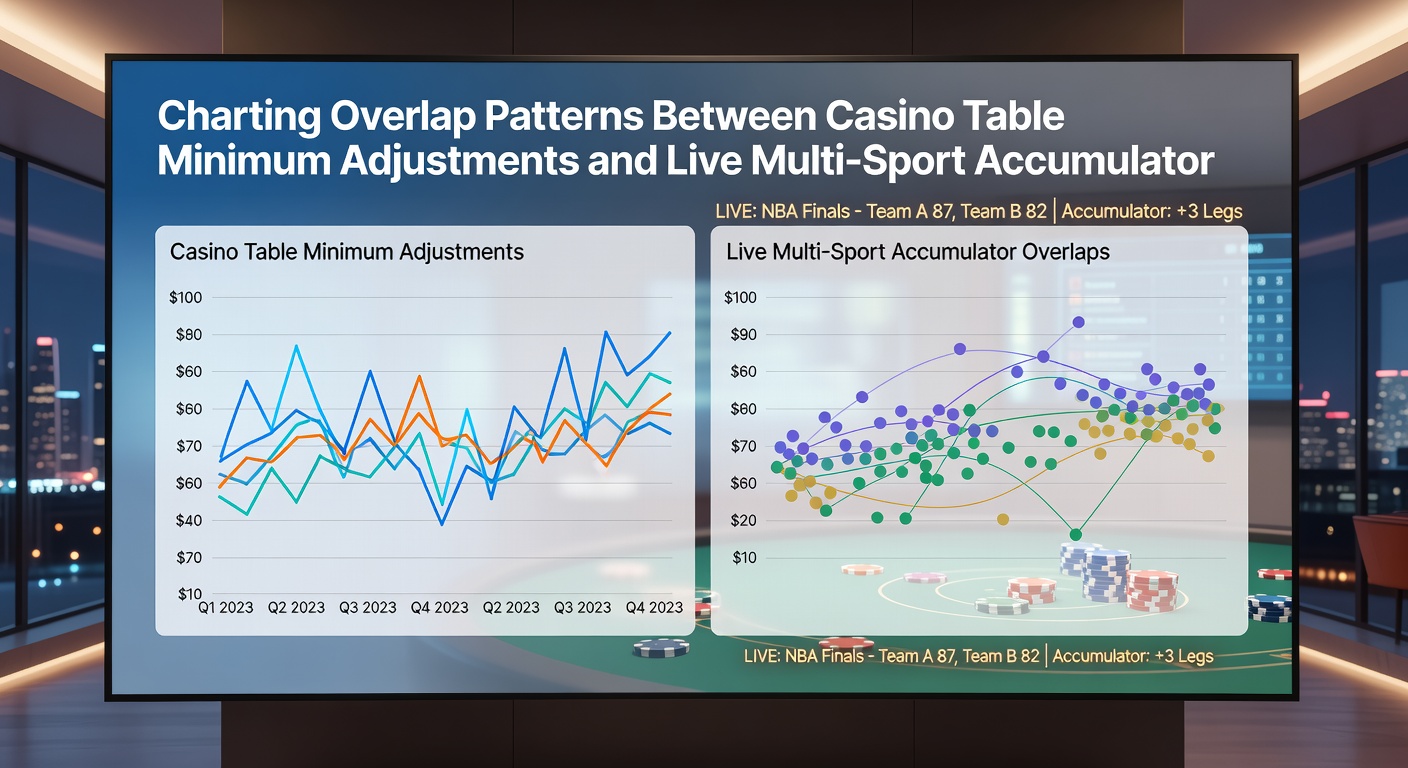
Integrated resorts combine casino gaming floors with live sportsbooks where table minimum adjustments often align with patterns in multi-sport accumulator construction. Observers note these overlaps emerge when operators raise blackjack or roulette minimums during high-traffic periods while bettors simultaneously build parlays across football, basketball and tennis markets. Data from major properties in Las Vegas and Macau indicate that minimum increases of twenty to fifty dollars correlate with spikes in accumulator ticket volume during evening sessions.
Understanding Table Minimum Dynamics at Resort Properties
Casino managers adjust table minimums based on demand metrics collected through real-time floor systems and historical occupancy rates. These changes occur most frequently on weekends and during major sporting events when foot traffic rises and available seats decrease. Researchers tracking properties in Atlantic City and Singapore found that minimums on craps tables climbed from fifteen dollars to twenty-five dollars on average during May 2026 playoff windows while roulette wheels followed similar trajectories.
Operators monitor handle per table and time-on-device figures to decide when increases make sense. When minimums move upward bettors who prefer lower entry points shift toward sportsbooks located within the same resort complex. This migration creates measurable overlap because the same customer base often funds accumulator builds using chips or digital wallets previously allocated for table play.
Live Accumulator Construction Patterns
Multi-sport accumulators allow participants to combine selections from different leagues into single tickets with compounded odds. Live builds happen when bettors add legs during matches rather than pre-game which introduces timing variables tied to in-play data feeds. Systems at integrated resorts display these builds on terminals adjacent to gaming pits enabling quick transitions between table sessions and sports wagers.
Studies conducted by industry analysts show accumulator volume increases when table minimums exceed certain thresholds because players seek alternative outlets that accept smaller per-leg stakes yet offer higher combined payouts. In May 2026 several resorts reported accumulator handles rising eighteen percent on nights when table minimums adjusted upward by thirty dollars or more.
Documented Overlap Correlations
Patterns surface when minimum adjustments coincide with accumulator-friendly conditions such as overlapping league schedules or reduced table availability. Data compiled across properties in Nevada and Australia reveal that accumulator construction sessions lengthen by twelve to fifteen minutes on average during these adjustment windows. Bettors move between pits and terminals constructing legs while waiting for table seats or responding to raised entry costs.
One analysis of resort transaction logs indicated that players who faced higher table minimums placed accumulator bets containing four or more legs at rates twenty-two percent above baseline figures. These builds frequently incorporated selections from soccer and basketball markets where live odds fluctuated rapidly enough to support in-progress additions.
Regional Variations in May 2026
Properties in different jurisdictions exhibit distinct timing for these overlaps. Resorts operating under Nevada Gaming Control Board oversight adjusted table minimums earlier in the evening compared with those following Ontario Lottery and Gaming Corporation guidelines. Accumulator activity responded accordingly with North American locations showing stronger correlations during prime-time sports windows whereas Asian integrated resorts recorded steadier patterns across daytime and evening blocks.
Industry reports from the University of Nevada Reno's gaming research division documented these timing differences through anonymized floor data collected in early 2026. The findings highlighted how regulatory environments influence when minimum changes trigger shifts toward accumulator terminals within the same property footprint.
Operational Factors Driving the Patterns
Staffing levels, promotional calendars and real-time occupancy sensors all contribute to the observed overlaps. When resorts run table game tournaments or sports viewing parties minimum adjustments accelerate to manage demand while accumulator interfaces receive additional promotion through digital signage. Observers tracking May 2026 events noted that simultaneous scheduling of NBA conference finals and high-limit poker series produced the clearest examples of these synchronized movements.
Payment integration systems further facilitate the transitions by allowing seamless movement of funds between table chip redemptions and sportsbook accounts. This infrastructure reduces friction for participants who decide to pivot from table play to accumulator construction when minimums rise.
Conclusion
Integrated resorts continue to generate measurable overlap between table minimum adjustments and live multi-sport accumulator activity as operators refine demand management tools and bettors adapt their session strategies. Records from May 2026 demonstrate consistent correlations across multiple jurisdictions while highlighting the role of regulatory frameworks and technology integration in shaping these patterns. Continued monitoring of floor data and transaction logs will clarify how these dynamics evolve alongside changing event calendars and property configurations.