Charting Reward Tier Synchronizations with Payout Matrix Shifts in Unified Horse Event and Card Room Environments
Sam Jung · Jul 7, 2026
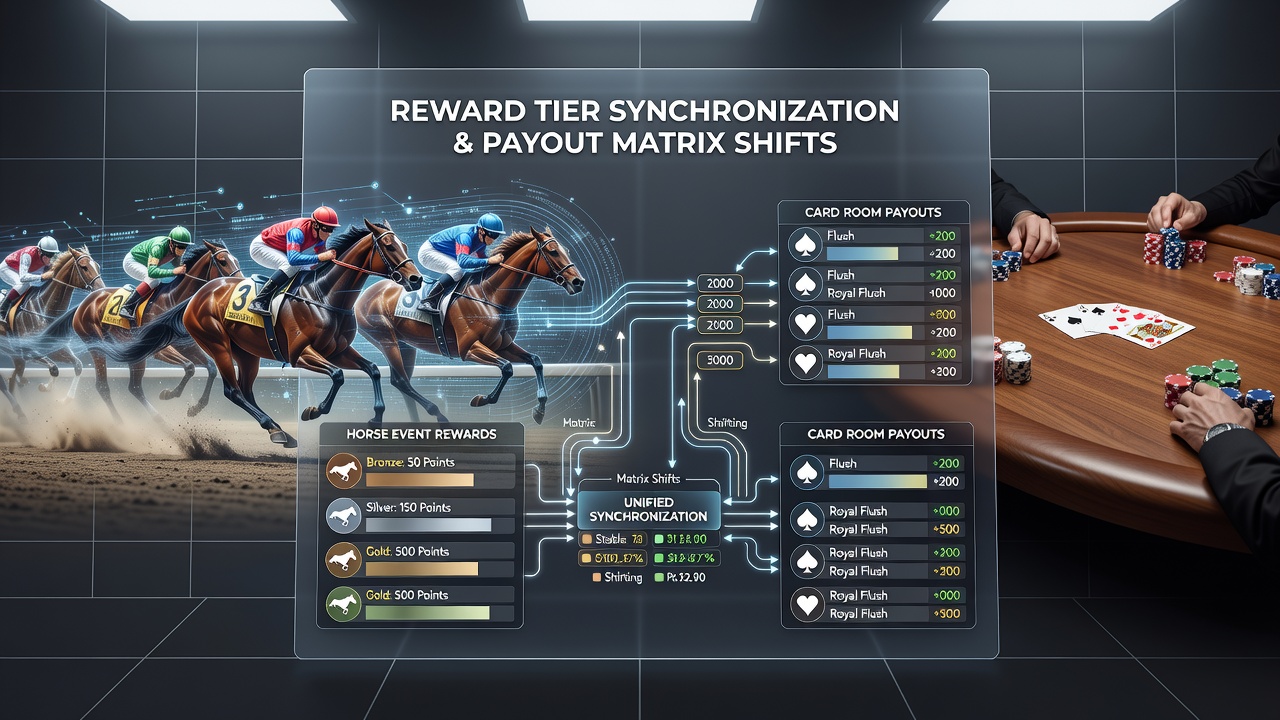
Charting Reward Tier Synchronizations with Payout Matrix Shifts in Unified Horse Event and Card Room Environments
Unified horse event and card room environments combine thoroughbred and harness racing betting with live poker and table games under single operator management, and observers note that reward tier systems often adjust in tandem with payout matrix modifications to maintain operational balance across both verticals. Data from integrated resorts in multiple jurisdictions shows these synchronizations occur through shared loyalty platforms that track player activity in real time, linking horse race handle to card room session lengths.Core Mechanics of Tier and Matrix Alignment
Operators implement tiered loyalty structures where points earned from horse event wagers contribute directly to card room comps, and researchers have documented how payout matrices for exotic horse bets shift when poker room rake percentages change. According to reports from the Canadian Gaming Association, these adjustments typically follow quarterly reviews that align promotional multipliers with volatility indexes from both sectors. When a resort raises the takeout on exacta and trifecta pools by two percentage points, for instance, the same system often increases poker bad-beat jackpot contributions by a proportional amount to keep high-tier players engaged across venues.
Those who've analyzed transaction logs find that synchronization protocols activate automatically once cumulative handle crosses defined thresholds, and figures reveal that July 2026 saw several Nevada properties trigger such updates within the same 72-hour window. The process relies on centralized algorithms that monitor daily averages rather than isolated spikes, which prevents abrupt changes that could disrupt player expectations in either environment.
Tracking Patterns Across Multiple Properties
Studies conducted by university research teams have mapped how these alignments appear in practice, with one analysis of three major properties demonstrating that reward tier upgrades coincide with payout matrix recalibrations during peak racing meets. Points accrued from morning line betting windows feed into evening card room priority seating, and data indicates the transition occurs through a single dashboard visible to floor managers. Observers note that when horse event payouts expand during major stakes races, the card room simultaneously adjusts comp rates for lower-tier players to balance traffic flow between the two areas.
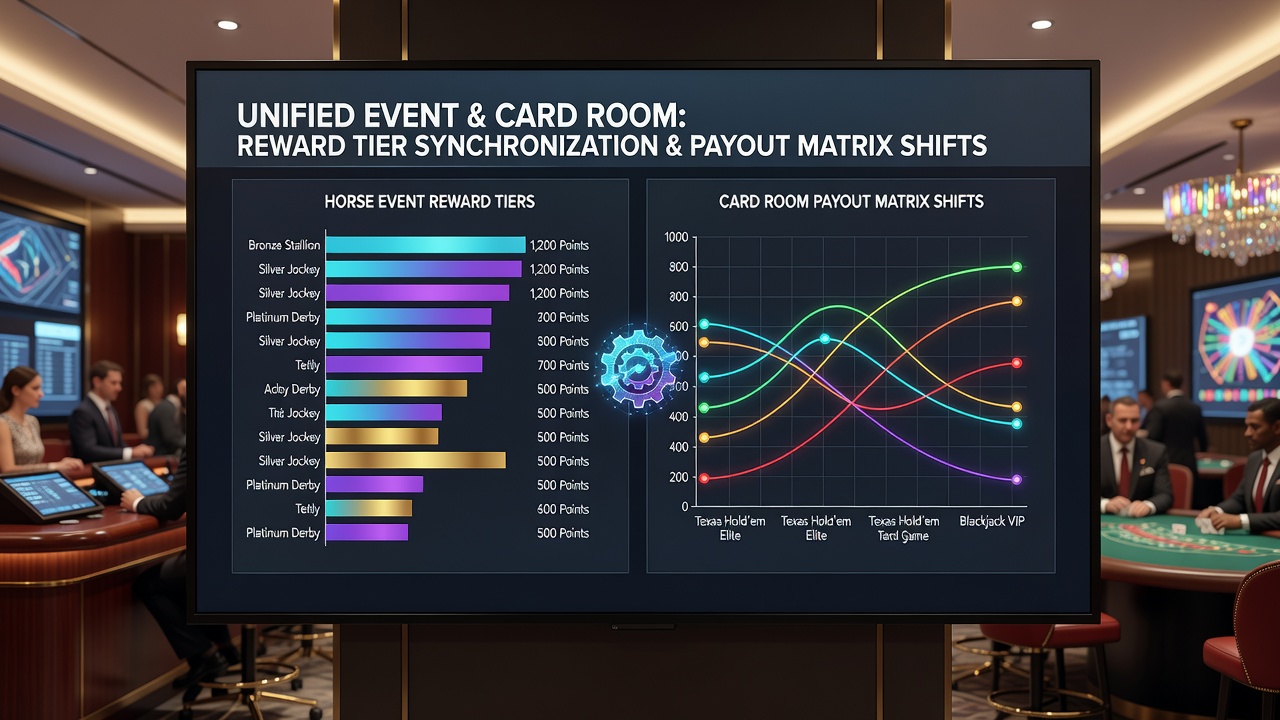
What's interesting is the role of seasonal calendars in these shifts, where harness racing schedules in northern markets align with poker tournament series in southern locations under the same corporate umbrella. Evidence from operational records shows that mid-July 2026 updates at several properties adjusted both horse betting odds boards and table minimums in coordinated steps, ensuring that platinum-tier members received consistent value whether they placed morning wagers or participated in evening cash games.
Data Sources and Measurement Approaches
Industry reports from the University of Nevada Center for Gaming Research provide detailed breakdowns of how synchronization metrics are calculated, including average time between tier advancements and matrix changes. These studies track variables such as handle per active player, session duration, and comp redemption rates across both horse events and card rooms, revealing consistent patterns in how operators maintain equilibrium. Figures from 2025 and early 2026 indicate that properties using unified platforms experience fewer player complaints about perceived value discrepancies compared to standalone venues.
Those monitoring regulatory filings note that state gaming boards require documentation of these alignment procedures during license renewals, and the records often include specific examples of how payout adjustments in one area trigger corresponding reward modifications in the other. This documentation helps ensure transparency while allowing operators flexibility to respond to market conditions without separate approval processes for each vertical.
Operational Implementation Details
Implementation typically involves cross-training staff who understand both racing and poker environments, and experts have observed that this knowledge base supports smoother execution of synchronized changes. When a payout matrix for horse racing expands during a major event, card room hosts receive updated comp guidelines within the same shift, which maintains continuity for players moving between the two spaces. Records show that these updates occur through encrypted internal channels that log every adjustment for compliance purposes.
People who've examined the timing of these changes find that most synchronizations happen during overnight hours when player volume is lower, minimizing disruption while allowing systems to recalibrate before morning racing programs begin. The approach reduces the risk of mismatched offers that could affect player retention across the combined environment.
Conclusion
Unified horse event and card room environments continue to refine their approaches to reward tier synchronizations with payout matrix shifts, and available data demonstrates measurable consistency in how these adjustments occur. The patterns observed through July 2026 reflect established operational practices that link activity across both sectors through shared systems and documented protocols. Continued analysis of these alignments provides operators and regulators with clearer visibility into how integrated venues manage player incentives across multiple gaming formats.