Decoding Liquidity Ripple Effects from Digital Wallet Integrations on Accumulator Payout Windows in Multi-Jurisdictional Venues
Taylor Powell · Jul 10, 2026
Decoding Liquidity Ripple Effects from Digital Wallet Integrations on Accumulator Payout Windows in Multi-Jurisdictional Venues
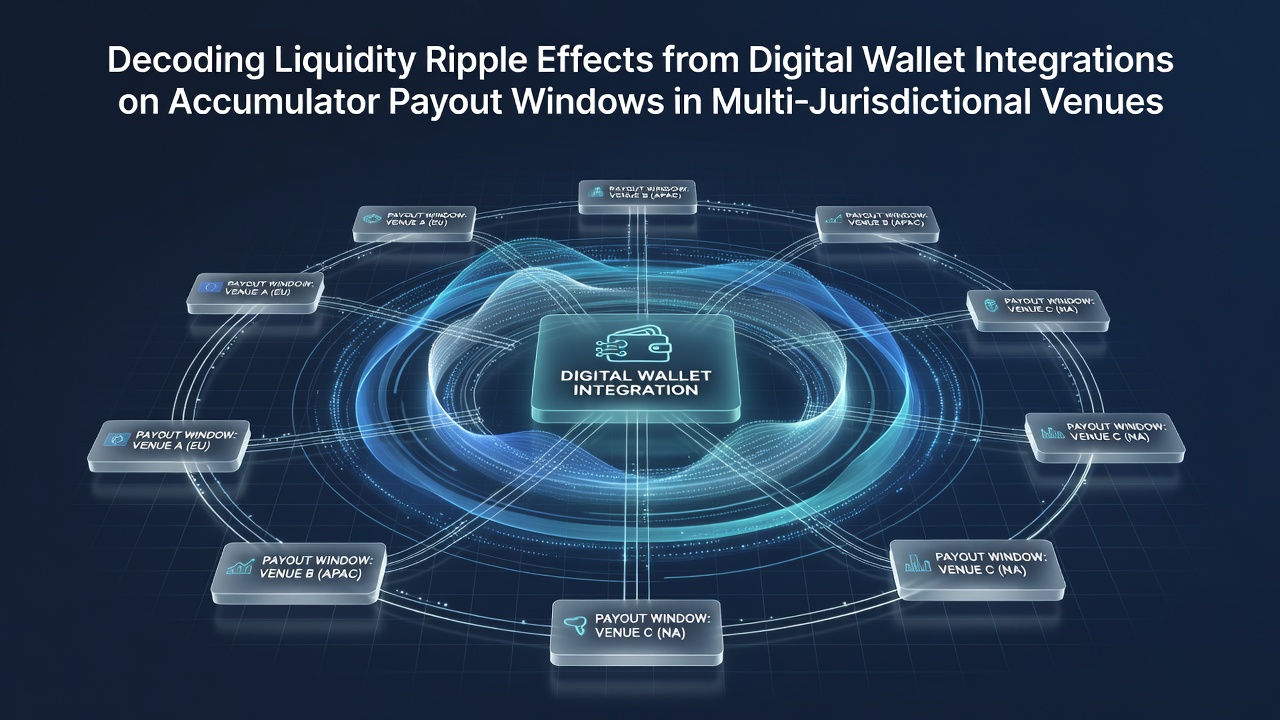
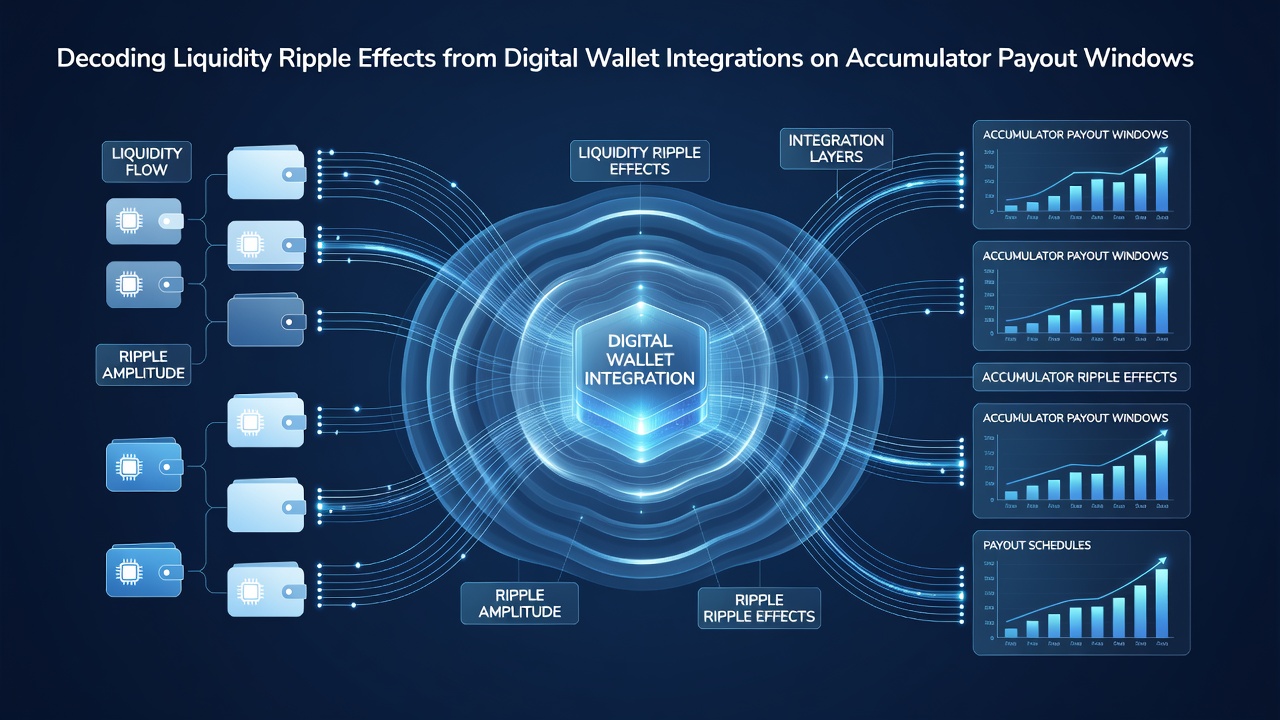
Digital wallet integrations have transformed how operators manage funds across betting platforms, and observers note that these changes create measurable ripple effects on liquidity levels that directly influence accumulator payout windows in venues operating under multiple regulatory frameworks. Accumulators, which combine multiple selections into single wagers with compounded odds, require coordinated settlement processes that depend on available liquidity pools, while wallet systems accelerate transaction speeds yet introduce variables in fund availability across borders.
Wallet Technology and Liquidity Movement Patterns
Operators integrate digital wallets to streamline deposits and withdrawals, and data from industry reports shows these systems reduce traditional banking delays from days to minutes in many cases, yet the accelerated movement creates temporary imbalances when large accumulator wins trigger simultaneous outflows. Researchers tracking transaction volumes in 2025 and into 2026 found that wallet-enabled platforms experience liquidity surges during peak betting periods, particularly when events span international time zones, because funds shift rapidly between player accounts and operator reserves without the buffers once provided by slower clearing processes.
Multi-jurisdictional venues face added complexity since each region maintains distinct reserve requirements, and wallet integrations must reconcile these differences in real time. Studies conducted by academic teams at European universities indicate that liquidity can fluctuate by 15 to 25 percent within hours of major accumulator settlements when wallets operate across EU member states and North American markets simultaneously.
Accumulator Payout Timelines Under Shifting Liquidity
Payout windows for accumulators narrow or widen based on available liquidity, and analysts observe that wallet integrations compress these windows in high-volume scenarios while extending them when cross-border transfers encounter verification lags. In July 2026 several platforms reported average accumulator settlement times dropping to under four hours in single-jurisdiction setups, whereas multi-jurisdictional operators handling the same wager types recorded windows stretching to eight or nine hours during periods of concentrated withdrawals.
Those monitoring platform metrics note specific patterns emerge when wallets connect to accumulator systems, because automated fund sweeps can deplete local liquidity pools faster than operators replenish them through hedging or reserve transfers. One documented case involved a venue operating in both Australian and Canadian markets where a series of high-stake accumulators settled within a 48-hour span, and wallet-driven outflows reduced available payout capacity by nearly 30 percent until additional reserves arrived through slower interbank channels.
Regulatory Variations Across Jurisdictions
Each jurisdiction imposes its own liquidity thresholds and reporting timelines, and these rules intersect with wallet technology in ways that affect payout reliability. Data compiled by the Malta Gaming Authority reveals that operators must maintain segregated accounts for each licensed territory, which means wallet integrations require sophisticated routing logic to avoid commingling funds that could delay accumulator resolutions. Platforms operating under Nevada Gaming Control Board oversight face parallel requirements, yet the synchronization between these frameworks often depends on the speed of wallet reconciliation protocols.
What's interesting is how smaller operators adapt when wallet integrations expose gaps in reserve management, because they often rely on third-party liquidity providers to bridge shortfalls during accumulator payout surges. Figures released in mid-2026 by the Australian wagering sector showed that venues using hybrid wallet and traditional banking arrangements maintained more stable payout windows compared with those relying solely on digital systems during high-demand periods.
Practical Examples from Recent Market Activity
Take the period surrounding major international tournaments in 2026, when accumulator volumes spiked across platforms licensed in multiple regions, and wallet integrations amplified liquidity movements that forced several operators to adjust payout schedules dynamically. Observers documented instances where instant wallet withdrawals competed directly with accumulator settlement queues, creating bottlenecks that extended processing times even though individual transaction confirmations occurred within seconds.
Industry organizations such as the European Gaming and Betting Association have published analyses showing these effects concentrate in markets where accumulator products represent a significant revenue share, and the combination of rapid wallet outflows with regulatory reserve rules produces predictable ripple patterns that operators now model in advance. Platforms that implemented predictive liquidity forecasting tools reported fewer disruptions to payout windows despite increased wallet adoption rates.
Conclusion
Digital wallet integrations continue to reshape liquidity dynamics that govern accumulator payout windows in multi-jurisdictional settings, and evidence from regulatory filings and transaction data demonstrates both efficiency gains and new coordination challenges. Operators that align wallet routing with jurisdiction-specific reserve requirements maintain more consistent settlement timelines, while those that overlook these interactions encounter extended windows during peak activity. As markets evolve through 2026 and beyond, the interplay between wallet speed and liquidity management remains a central factor in accumulator processing reliability across borders.