Dissecting Threshold Triggers for Loyalty Tier Advancements Across Integrated Resort Reward Systems
Rafael Koch · Aug 2, 2026
Dissecting Threshold Triggers for Loyalty Tier Advancements Across Integrated Resort Reward Systems
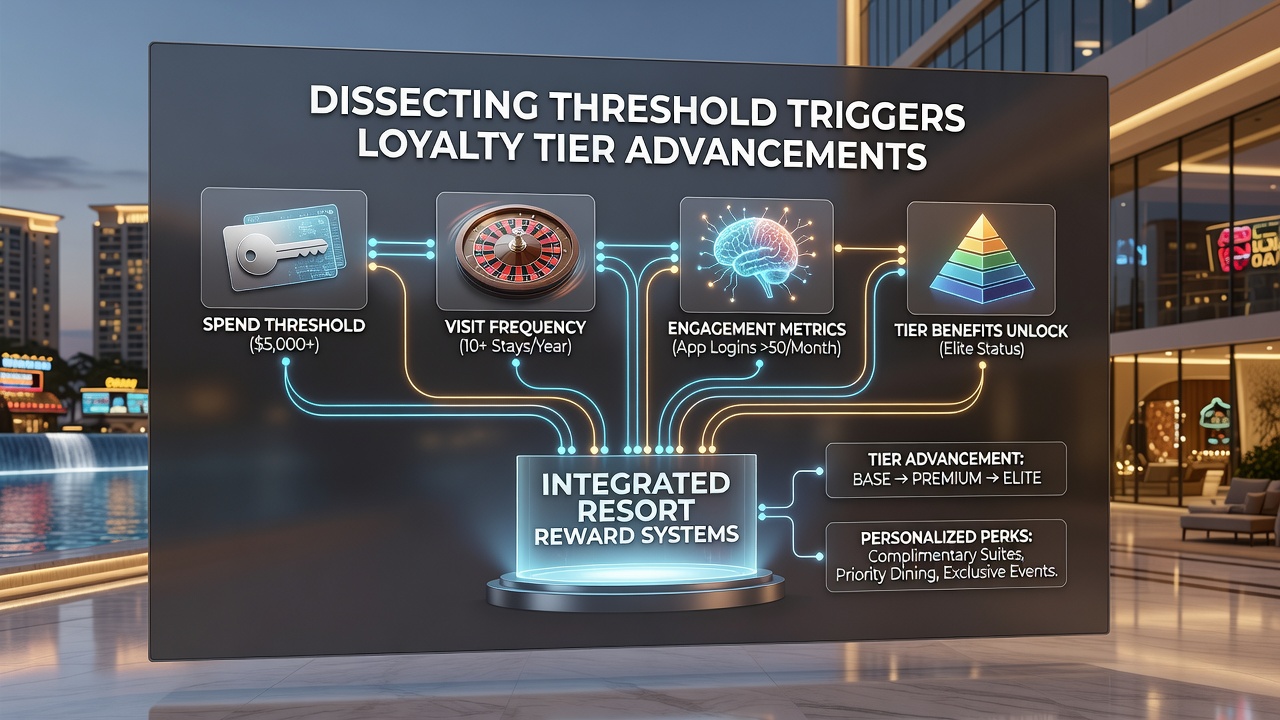
Integrated resort reward systems operate through structured loyalty programs that track player activity across casinos, hotels, restaurants, and entertainment venues, and these programs rely on specific threshold triggers to determine when participants advance between tiers such as bronze, silver, gold, platinum, and diamond levels. Thresholds typically combine multiple metrics including gaming volume measured in theoretical win or coin-in, non-gaming spend on rooms and dining, and frequency of visits within defined periods, while operators adjust these parameters based on regional regulations and market conditions. In August 2026 industry data revealed continued expansion of these systems as integrated resorts in Nevada and Macau refined their algorithms to balance player retention with revenue targets.
Core Components of Threshold Mechanisms
Operators calculate advancement using point-earning formulas where each dollar spent on slots or table games generates a base number of points, and bonuses multiply those earnings during promotional windows or for higher-tier members. Researchers at institutions such as the University of Nevada Las Vegas have documented how these formulas incorporate time-based resets, often aligning with calendar quarters or annual cycles, so that accumulated points expire or reset unless players meet minimum activity levels. Non-gaming triggers add another layer because hotel stays and restaurant visits contribute points at lower rates yet count toward qualification for elite tiers that unlock complimentary rooms and event access.
Regional Variations in Trigger Design
North American properties frequently emphasize theoretical win as the primary trigger because it accounts for house edge differences across games, whereas Asian integrated resorts place heavier weight on actual coin-in and turnover volume to reflect higher betting limits common in those markets. Data compiled by teh American Gaming Association shows that tier advancement windows in Las Vegas properties averaged 12 months in 2025 and carried over similar structures into 2026, while Singaporean resorts maintained shorter six-month evaluation periods that allow faster movement for high-volume players. These differences arise from local tax structures and competition levels rather than uniform global standards.
Automation and Manual Review Processes
Most systems now employ real-time software that monitors point totals and automatically promotes members once thresholds are crossed, yet high-value accounts often undergo manual review by host teams before final tier assignment to verify sustainable play patterns and prevent short-term spikes from triggering long-term benefits. Observers note that this hybrid approach reduces administrative costs while maintaining control over top-tier inventory such as private gaming salons and luxury suites. Integrated resorts also layer in behavior-based triggers including responsible gaming flags that can pause advancement regardless of points earned.
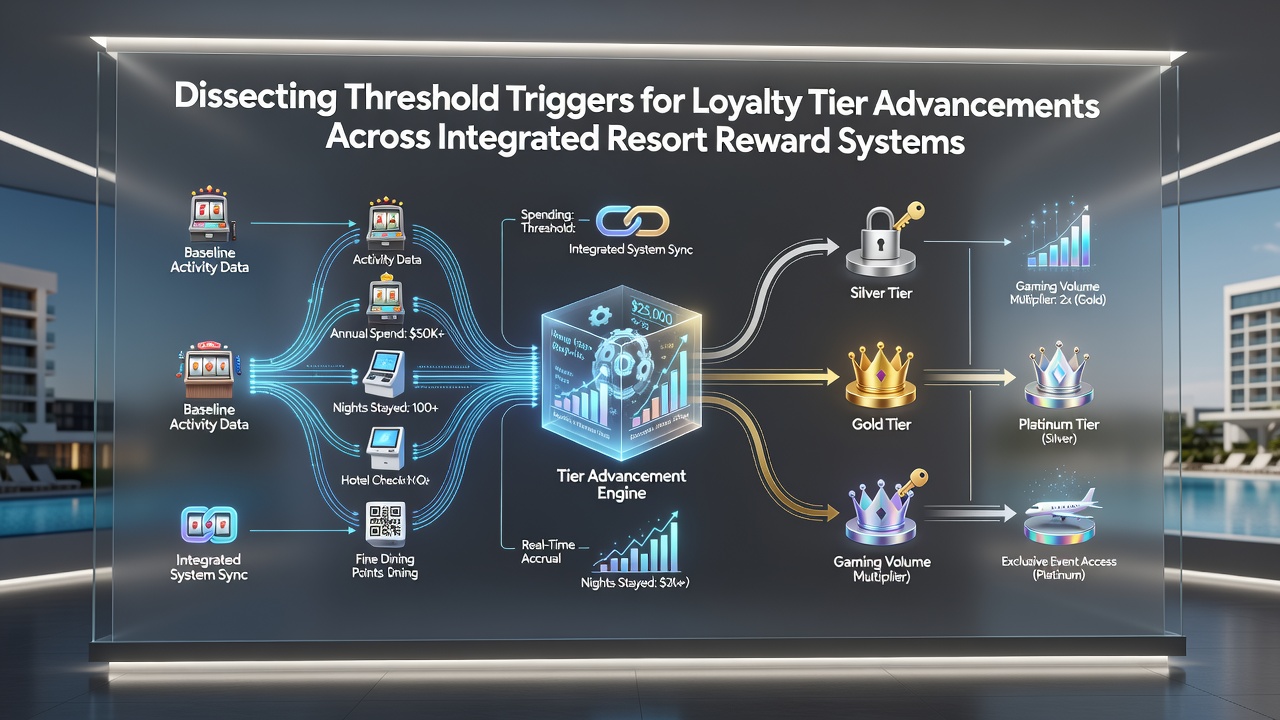
Additional triggers appear in cross-property partnerships where activity at one resort contributes to tier status at affiliated locations, and these networks expand qualification opportunities for travelers who split time between multiple destinations. Reports from the Canadian Gaming Association indicate that such linked systems grew in adoption during 2025 and remained stable through mid-2026, particularly among operators with holdings in both the United States and Canada.
Impact of External Factors on Threshold Adjustments
Economic conditions and regulatory changes influence how operators set and modify thresholds, with inflation adjustments appearing in point requirements during periods of rising operational costs. In August 2026 several major properties announced minor increases to annual coin-in thresholds for platinum and diamond tiers, citing higher average room rates and increased staffing expenses across the resort ecosystem. These adjustments followed patterns observed in prior years and reflected data from internal player analytics rather than external mandates.
Player Tracking Technology Integration
Modern systems integrate player cards with mobile apps and digital wallets so that point balances update instantly across all resort touchpoints, and this connectivity allows immediate notification when a member approaches the next threshold. Technology providers supply the backend platforms that aggregate data from slot machines, table games pit systems, and point-of-sale terminals in restaurants and shops. Accuracy of these integrations directly affects whether players receive timely recognition for activity that qualifies them for advancement.
Conclusion
Threshold triggers in integrated resort loyalty programs continue to evolve through a combination of automated calculations, manual oversight, and regional adaptations that respond to market and regulatory conditions. The mechanisms balance multiple data streams including gaming volume, non-gaming spend, and visit frequency while incorporating safeguards that protect both operators and participants. As of August 2026 these systems remain central to how resorts manage long-term relationships with their most active visitors across global markets.