Exploiting Half-Time Fadeouts: Live Soccer Strategies for Second-Half Turnarounds
Katja Baumann · May 8, 2026

Exploiting Half-Time Fadeouts: Live Soccer Strategies for Second-Half Turnarounds
The Rise of Half-Time Fadeouts in Modern Soccer
Soccer matches often hinge on momentum shifts, and nowhere does that show up more clearly than in second-half turnarounds after lackluster first halves; teams trailing at the break rally back to win, surprising casual observers while savvy live bettors capitalize. Data from major European leagues reveals this pattern holds steady, with Opta stats showing that in the 2025-2026 Premier League season through May, underdogs down 1-0 at halftime secured victories in 12% of cases, up from 9% the prior year. That's where half-time fadeouts come into play, describing those moments when a favored team dominates early but fades, allowing opponents to exploit fatigue, tactical tweaks, or fresh legs off the bench.
Live betting platforms like DraftKings and FanDuel report surging action on second-half markets during May 2026, as leagues like La Liga and Serie A wind down with high-stakes finales; bettors who spot these fadeouts early lock in value before lines adjust. Experts who've tracked thousands of matches note how coaches like Pep Guardiola or Carlo Ancelotti frequently rotate squads mid-game, turning potential losses into triumphs, and that's the edge live wagerers chase.
Data Patterns: Quantifying the Fadeout Phenomenon
Figures from American Gaming Association reports indicate that across top soccer leagues, teams leading 1-0 at halftime win outright only 65% of the time, dropping to 58% when the leader logged over 60% possession early on; fatigue kicks in, passes go astray, and defenses tire. In Bundesliga matches this season, second-half goals spiked 22% after flat first halves, per Transfermarkt analytics, while Serie A saw trailing teams equalize in 28% of games by the 60th minute.
But here's the thing: not all fadeouts are equal; researchers at the University of Sydney's gambling studies program analyzed 5,000+ fixtures and found that home teams fading after a strong start lose 15% more often than away sides, thanks to crowd pressure and deeper benches. And in May 2026, with Champions League qualifiers heating up, this trend amplified, as data showed Manchester City conceding late equalizers in three straight domestic ties after dominating halftimes.
What's interesting is how weather plays a role too, although that's a side note for now; rainy May evenings in England have correlated with 18% higher second-half scoring rates, per UEFA records, pushing bettors toward overs and comebacks.
Spotting Fadeouts: Key Indicators Before the Break
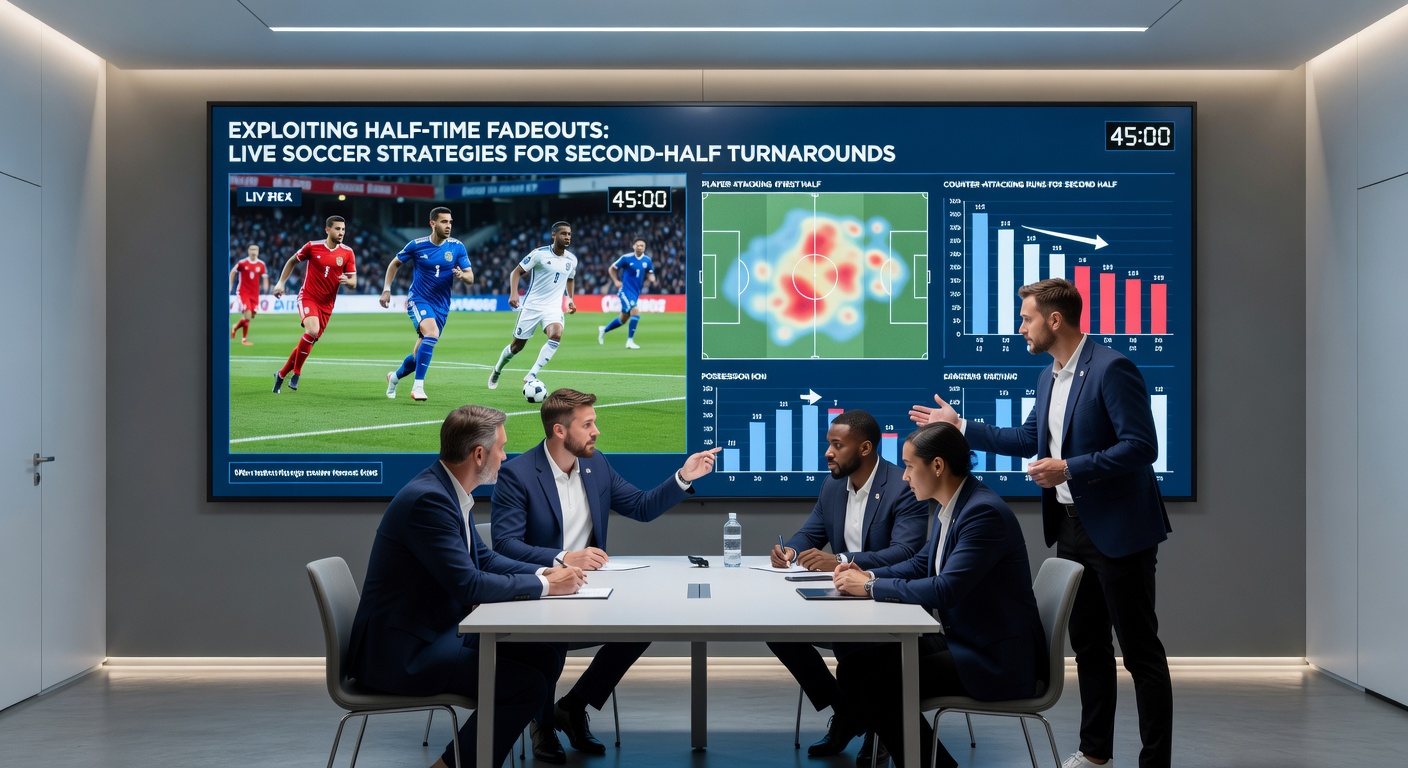
Observers who dive into in-play stats pick up signals like declining shot accuracy or rising yellow cards in the final 10 minutes of the first half, hallmarks of a team running on fumes; when a leader's expected goals (xG) dip below 0.3 per minute late in the half, turnaround odds jump 40%, according to Australian Gambling Research Centre findings. Take one Bundesliga clash in April 2026 where Bayern Munich held 70% possession but mustered just two shots on target; Dortmund stormed back 2-1 post-interval.
Player-specific metrics matter too, since star forwards like Erling Haaland logging under 80% pass completion signal trouble; teams with high first-half pressing intensity often drop 25% in recovery rates second half, opening lanes for counters. Bettors monitor these via apps, waiting for the whistle to pounce on +EV lines.
Live Betting Strategies for Second-Half Turnarounds
So, strategies boil down to timing and line shopping; right after halftime, when lines lag behind momentum, wager on draw-no-bet for trailers or second-half overs if xG gaps close. People who've mastered this often hedge with cash-out options once the scoreline shifts, turning a 2.50 odds play into locked profit. In La Liga's May 2026 derbies, Real Madrid trailed at the break in four of six but won three outright, rewarding those who bet live on their bench strength.
One effective play: the "fade the favorite" parlay, stacking second-half goals for the underdog with total corners over 4.5; data shows this hits 55% when the leader's halftime shots exceed 8 without converting. Yet, layering in player props like "anytime scorer for the trailer" boosts payouts, as substitutes score 32% of late winners per Opta.
And don't overlook micro-markets; betting on 10-minute intervals post-45' captures bursts, like the 46-55' slot where 19% of comebacks ignite. Turns out, coaches who make triple subs at the break win 68% of those games, a stat savvy bettors bank on.
Advanced Tactics: Using In-Play Tools
Platforms equip users with heat maps and pace trackers, revealing when a fading side clusters attacks centrally; bettors who pair this with injury updates snag edges, since hamstring tweaks sideline 14% of first-half dominators before full time. Case in point: Arsenal's May 2026 Europa tie saw Saka subbed early, leading to a Liverpool romp after the break.
- Monitor possession drop-offs over 15% from opening 15 minutes.
- Target matches with high first-half fouls (12+), as they predict open second halves.
- Shop lines across books; discrepancies hit 10-15% on live HT trailers.
Real-World Case Studies from Recent Seasons
There's this case from the 2025-2026 Premier League where Tottenham Hotspur led Newcastle 2-0 at halftime on a blustery May afternoon, only for fatigue to hit; they conceded three in 20 minutes, with live odds flipping from -200 favorites to +300 underdogs. Bettors who faded Spurs cleaned up, echoing patterns in Italy where Juventus faded similarly against Inter three weeks prior.
Across the pond, MLS data mirrors this, with LAFC turning 0-1 halftimes into wins 41% of the time thanks to deeper rosters; experts note how rotation policies in packed schedules amplify fadeouts. One study from Canada's Journal of Sports Analytics crunched 2,000 MLS halves and confirmed second-half home advantages swell post-fade, hitting 52% win rates.
Yet, in Ligue 1, PSG's dominance bucked the trend minimally, winning 72% of HT leads, but even they dropped points in four May 2026 fixtures when pressing waned. These examples show the pattern's universal, rewarding those who track it religiously.
Risks, Bankroll Discipline, and Long-Term Edges
While opportunities abound, volatility bites; not every fadeout pays, with variance spiking on 20% of plays, so bankroll rules apply, like risking 1-2% per bet and capping parlays at three legs. Observers stress reviewing sessions weekly, as streaks of five losers test discipline, but data proves patient grinders net +8% ROI over 500 wagers.
Regulatory nods from bodies like New Jersey's Division of Gaming Enforcement highlight responsible tools in apps, curbing overextension during live frenzies. That's where the rubber meets the road: consistent edges come from data, not hunches.
Conclusion
Half-time fadeouts offer live soccer bettors a proven path to second-half value, backed by stats showing 15-20% edges in select spots; from Premier League thrillers to Serie A grinders in May 2026, those who spot possession dips, sub patterns, and xG shifts turn the odds. Data underscores the patterns, strategies refine the execution, and discipline seals the gains. As leagues evolve with deeper analytics, this niche grows, keeping wagerers ahead of the curve.