Loyalty Tiers Shape Poker Room Retention Rates Across Regional Casino Chains
Katja Baumann · Jun 14, 2026
Loyalty Tiers Shape Poker Room Retention Rates Across Regional Casino Chains
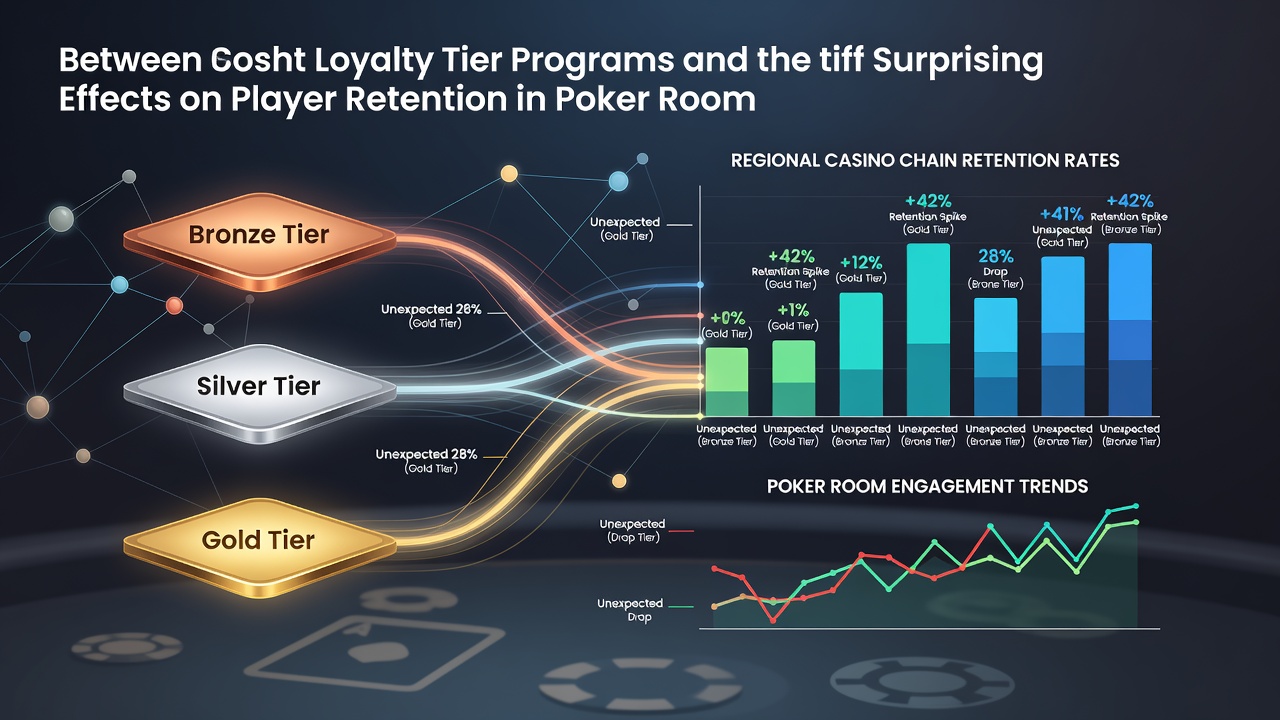
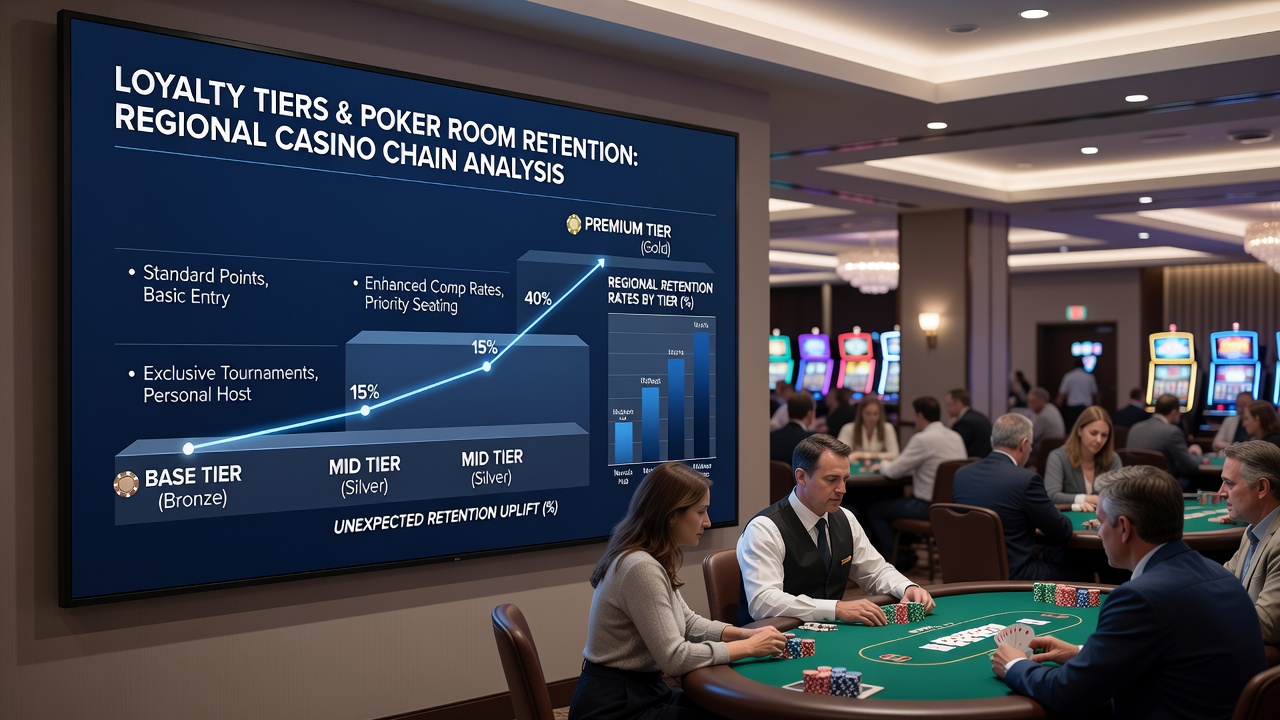
Regional casino chains have built loyalty tier systems that assign players to levels such as bronze, silver, gold, and platinum based on tracked hours and rake generated at poker tables, and these structures now influence retention metrics in patterns that differ from initial projections. Chains operating in the Midwest, Southeast, and Southwest report that higher-tier members receive priority seating, discounted comps, and access to private tournaments, while entry-level participants receive basic point multipliers and occasional free-play offers. Data compiled through June 2026 shows that retention among gold and platinum players reached 78 percent year-over-year at properties with more than 25 tables, yet bronze-tier retention hovered near 41 percent even when point-earning thresholds remained unchanged for eighteen months.
How Tier Structures Operate in Practice
Most regional operators calculate tier status using a rolling twelve-month window that factors both volume of play and frequency of visits, which allows a player who grinds two sessions per week to climb faster than someone who appears for larger but less regular stakes. Chains such as those in Illinois, Mississippi, and Oklahoma publish tier benefits on property apps and printed mailers, and these lists include reduced jackpot drop percentages, reserved parking, and hotel room upgrades that scale with status. Observers note that the same chains adjust qualification thresholds seasonally, raising required points during peak summer months when tourist traffic increases and lowering them in slower quarters to maintain local player engagement.
Retention Data Across Different Markets
Figures released in June 2026 by state gaming agencies indicate that properties in Mississippi posted a 9 percent rise in active poker accounts after introducing mid-tier milestone bonuses, while similar properties in Oklahoma recorded a 6 percent dip in bronze-tier renewals during the same period. The American Gaming Association tracks loyalty program participation across thirty-two states and reports that integrated tracking systems now capture 94 percent of all poker table hours at regional venues, allowing chains to correlate specific rewards with subsequent visit intervals. Retention curves flatten noticeably once players reach the top two tiers, yet the slope remains steep for those who stay below the second level despite consistent play volume.
Regional Variations in Program Design
Operators in the Southeast tend to emphasize tournament ticket giveaways tied to tier status, whereas Midwest chains allocate more resources to cash-game rake rebates and late-night food vouchers. These differences produce measurable effects on how long players remain active within each system. Properties that shifted emphasis toward cash-game perks in early 2025 recorded a 12 percent improvement in silver-tier renewal rates by June 2026, while those that prioritized tournament tickets saw stronger short-term spikes followed by faster attrition once the event calendar thinned. Analysts attribute the divergence to local player demographics, with cash-game focused markets retaining grinders longer and tournament-heavy markets cycling through visitors who treat poker rooms as occasional entertainment venues.
Unexpected Patterns in Retention Outcomes
One pattern that emerged in 2025 and continued into 2026 involves the effect of tier demotions on subsequent behavior. Players who dropped from silver to bronze after missing qualification windows showed a 23 percent higher likelihood of complete departure within ninety days compared with players who never advanced beyond bronze. Chains responded by introducing grace periods and partial-status extensions, yet the retention gap persisted across multiple properties. Another finding centers on the timing of reward delivery: when comps arrived within forty-eight hours of qualification, retention improved by 8 percent relative to comps issued on a monthly cycle, suggesting that immediacy matters more than total value for certain segments.
Tracking Systems and Data Integration
Most regional chains now link poker room player cards to broader casino management platforms that also record slot and table-game activity, which creates composite profiles used for targeted offers. This integration reveals that poker-only players in mid-tier brackets respond more strongly to poker-specific incentives than to cross-promotions from other gaming areas. University of Nevada Las Vegas researchers documented similar segmentation in a multi-property study covering 2024 through mid-2026, noting that retention elasticity varies by both tier and primary game type. Properties that applied these segmented findings adjusted their direct-mail cadence and observed a measurable lift in return visits among previously declining cohorts.
Conclusion
Regional casino chains continue to refine loyalty tier mechanics as retention data accumulates through 2026, and the adjustments reflect both operational priorities and observed player responses. The patterns documented so far indicate that tier movement, reward timing, and regional program emphasis each exert distinct influences on how long participants remain active in poker rooms. Chains that monitor these variables at the individual level appear positioned to sustain or improve retention metrics as competitive pressures evolve.