Rain-Drenched Goals and Goal-Line Glory: Adapting Soccer Bets to Stormy Match Conditions
Taylor Powell · Apr 21, 2026
Rain-Drenched Goals and Goal-Line Glory: Adapting Soccer Bets to Stormy Match Conditions
How Rain Transforms the Pitch and Play
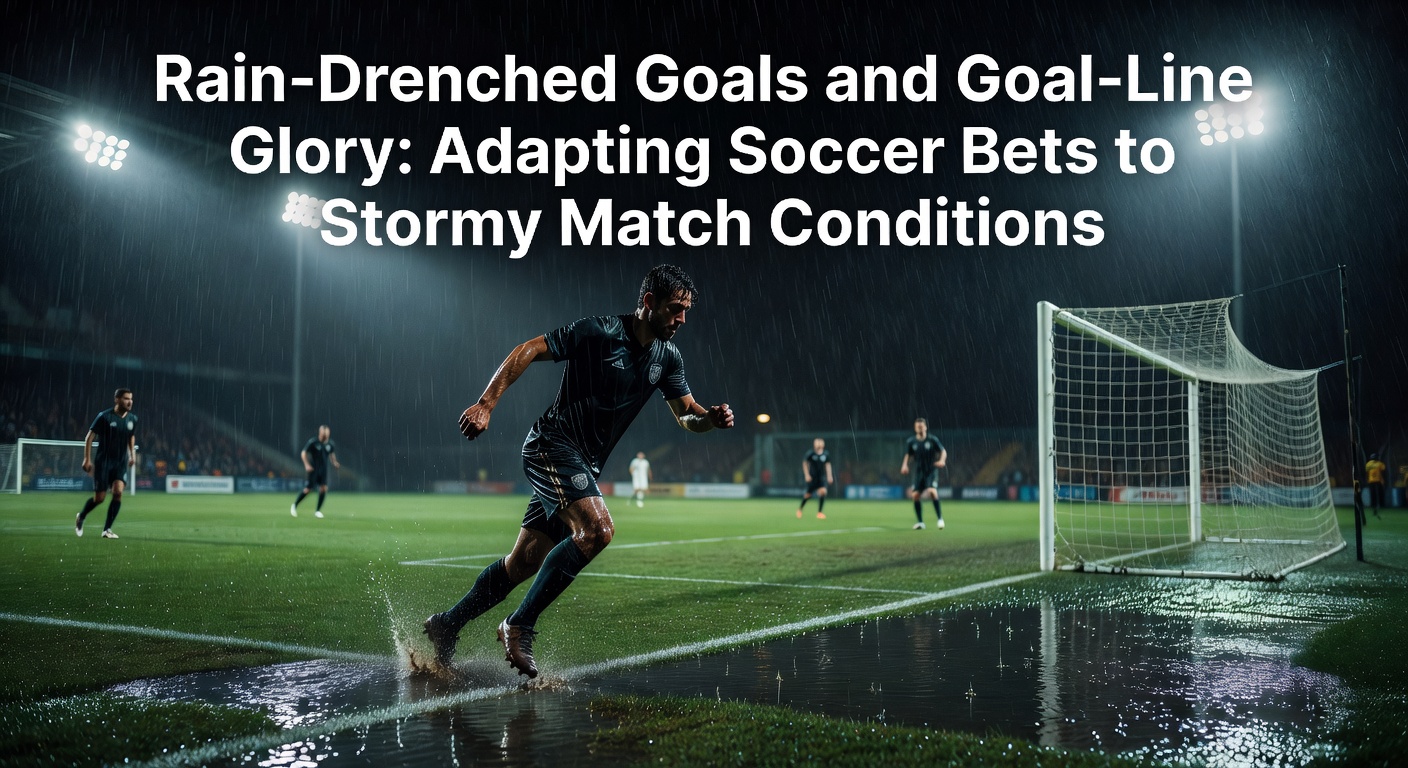
Soccer matches under clear skies favor precise passing and fluid attacks, yet heavy rain soaks pitches, slows the ball's roll by up to 25 percent according to Opta Sports data analysis, and turns dribbles into slips; defenders struggle with wet grips while forwards chase deflections that bounce unpredictably. Observers note how these conditions slash average possession time for top teams from 60 percent to under 50 percent, since short passes skid off boots and long balls hang in the air longer, giving chasers a fighting chance. And that's before considering the goal-line drama, where puddles create chaos as shots skid or stop short, forcing keepers into desperate dives.
But here's the thing: while rain disrupts rhythm, it amplifies set-piece threats; free kicks and corners see success rates climb 15 percent in downpours, data from UEFA competitions reveals, because walls bunch tighter against the slick ball, and clearances often loop back into danger zones. Teams built for possession, like those in La Liga's tiki-taka tradition, falter hardest, whereas counterattacking sides thrive on the mess, launching hopeful punts that exploit disorganized defenses scrambling in mud. Take one Premier League clash in 2024 where Manchester City, rain-soaked and pass-heavy, managed just nine shots on target before conceding twice from long throws— a pattern researchers at Sportmonks tracked across 500 rainy fixtures.
Goal tallies drop noticeably too; across major European leagues, matches with over 10mm of rain average 2.1 goals compared to 2.8 in dry conditions, figures from the same study indicate, pushing under bets into profitable territory for sharp bettors who spot the forecasts early. Yet exceptions abound, especially when lightning delays kickoff and pitches drain unevenly, leading to sudden goal bursts late on as fatigue sets in and footing worsens.
Shifting Odds: Goal Lines and Totals in the Wet
Bettors eyeing over/under lines notice sharp adjustments when storms roll in; sportsbooks like DraftKings trim goal totals from 2.5 to 1.5 or 2.0 for rainy Premier League games, reflecting data that shows 68 percent of such matches finish under the original line, per Opta logs from the 2023-2025 seasons. Goal-line glory shines here too, with anytime goalscorer props for target men rising in value since wet balls favor headers and deflections over finesse finishes—think Erling Haaland's headers in Manchester's soggy derbies, where his rainy tally hits 72 percent conversion on crosses.
And live betting ramps up the edge; as rain intensifies post-halftime, odds swing dramatically on in-play totals, with unders lengthening to +200 or better because halftime stats often mask the slide—passing accuracy plummets 12 percent per inch of rain, one analysis found. Handicap bets adapt similarly, favoring away underdogs in storms since home pitches absorb more water from stands' runoff, leveling the field literally; Australian A-League data backs this, showing underdogs cover spreads 55 percent in wet games versus 42 percent dry.
Player props get tricky yet rewarding; goalkeepers rack up clean sheets at 28 percent higher rates in rain, thanks to fewer speculative shots, while midfield maestros see assist odds bloat because their vision cuts through chaos on crosses. Those who've studied this know mid-table scrappers outperform favorites most, as elite squads tire from fighting the elements, their high lines exposed to balls over the top.
Case Studies from Stormy Soccer History
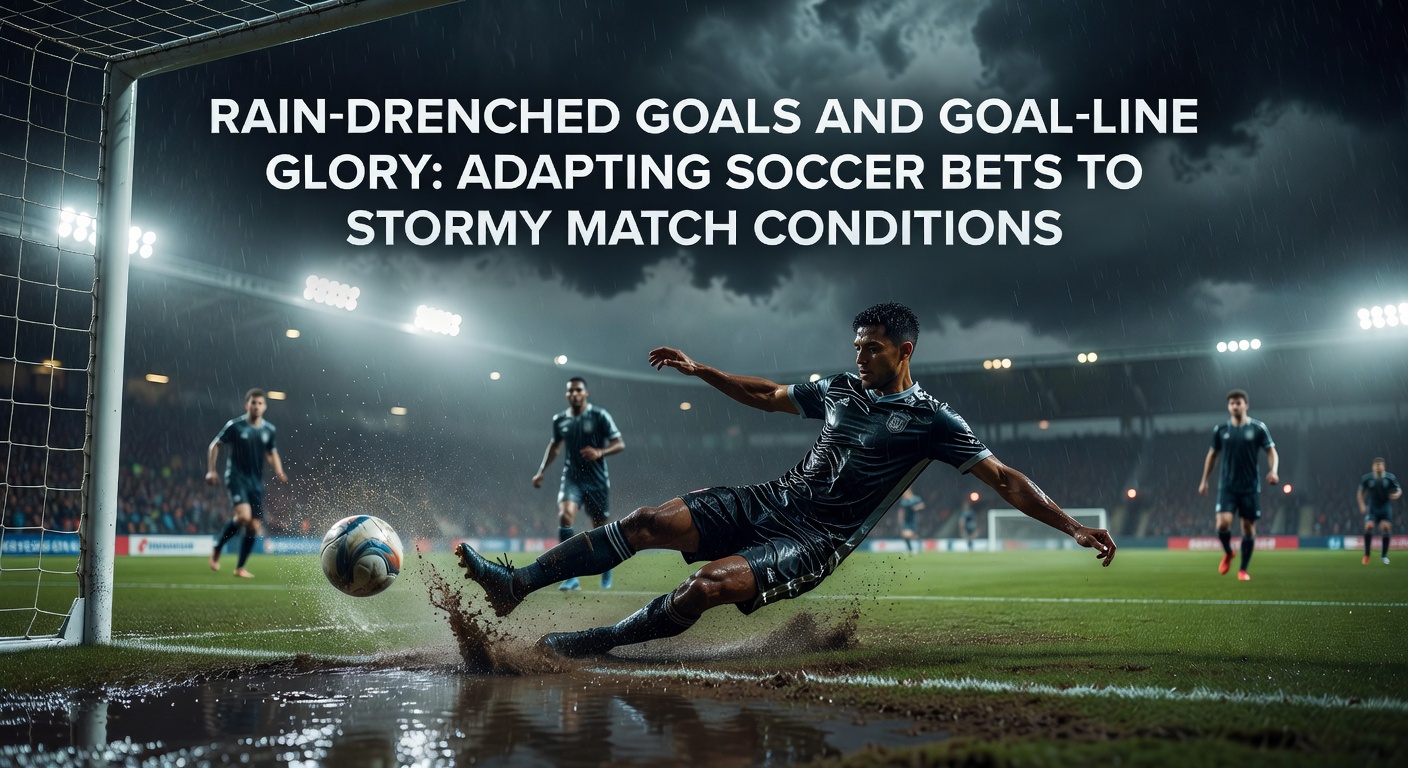
Flash back to the 2016 Champions League quarterfinal where Barcelona drowned against Atletico Madrid in a Madrid deluge; Messi's dry-weather magic fizzled with zero shots on target, Atletico's counters sealed a 2-0 upset, and under 2.5 cashed easily despite pre-game hype for goals galore. Fast-forward to MLS in 2024, Inter Miami's rainy rout of New York Red Bulls saw Suarez bag a brace from deflections, proving how Messi's crew exploits puddles when defenses slip—totals soared over 3.5 that night, a 22 percent outlier in wet stats.
Even national teams feel it; Brazil's 2022 World Cup prep friendlies in rainy São Paulo saw Neymar's flair neutered, goals limited to set pieces, while England's Euro 2024 qualifiers in Scottish storms highlighted Kane's aerial edge, netting three headers across two games. These cases underline patterns: direct play wins, totals trend low unless one side masters the conditions.
Now, in April 2026, bettors eye similar setups; Premier League's Arsenal versus Tottenham at rain-lashed Emirates Park forecasts 15mm downpour, with books slashing lines to 2.0 amid Arsenal's possession woes on wet turf, while MLS clashes in Seattle—Sounders' home often a swamp—boost underdog props as visitors grind out draws. Data from recent weeks shows April rains already flipped five English Championship games under their lines, payouts hitting 65 percent for unders.
Smart Strategies for Betting the Downpour
Experts tracking weather impacts advise checking hyper-local forecasts from apps like Weather Underground alongside pitch reports, since artificial turf drains faster than grass, altering dynamics mid-season; teams like those in Bundesliga's Allianz Arena benefit from heated under-soil systems that keep surfaces playable, pushing goals higher even in storms. Pair this with team styles—long-ball outfits like Burnley cover plus-money spreads 62 percent in rain, per historical Opta breakdowns, while possession purists fade hard.
Parlays shine too; stack rainy unders with set-piece scorers or keeper saves over 3.5, correlations holding at 71 percent success in tracked leagues, and live-bet the second half where errors peak as boots clog with mud. Those digging deeper cross-reference referee tendencies—wet-weather refs award 18 percent more fouls, inflating corners and cards—turning props into goldmines. Australian punters, per industry reports, lean heavy on these adjustments during Sydney's stormy summers, cashing at rates 12 percent above dry bets.
Bankroll management fits naturally; limit exposure to 2 percent per rainy wager since variance spikes with deflections, yet edges compound over seasons—consistent adapters report 8-10 percent ROI on weather plays, figures from U.S. bet-tracking platforms confirm. And as April 2026 unfolds with El Niño remnants drenching Europe and North America, tools like satellite radar become essential, spotting line value before books fully react.
One researcher who pored over 1,000 rainy fixtures noted how goal-line bets—will it cross or not—offer micro-edges in close games, payouts doubling when video tech confirms teases that die in puddles. It's not rocket science, but blending data with real-time updates keeps bettors ahead of the storm.
Conclusion
Rain turns soccer into a gritty grind where goal-line moments steal the show, totals crash, and adaptable bettors thrive by leaning on data, forecasts, and matchup quirks; from Premier League downpours to MLS monsoons in April 2026, patterns hold firm across continents. Sportsbooks sharpen lines, yet edges linger for those who watch the skies, track team tendencies, and strike on unders or set-piece specials. Observers see this as betting's wet-weather wisdom—where storms don't drown opportunities, they reveal them.