Tracking Correlation Patterns Between Video Poker Paytable Shifts and Concurrent Harness Racing Exotic Pool Adjustments at Racetrack Casinos
Sam Jung · Aug 21, 2026
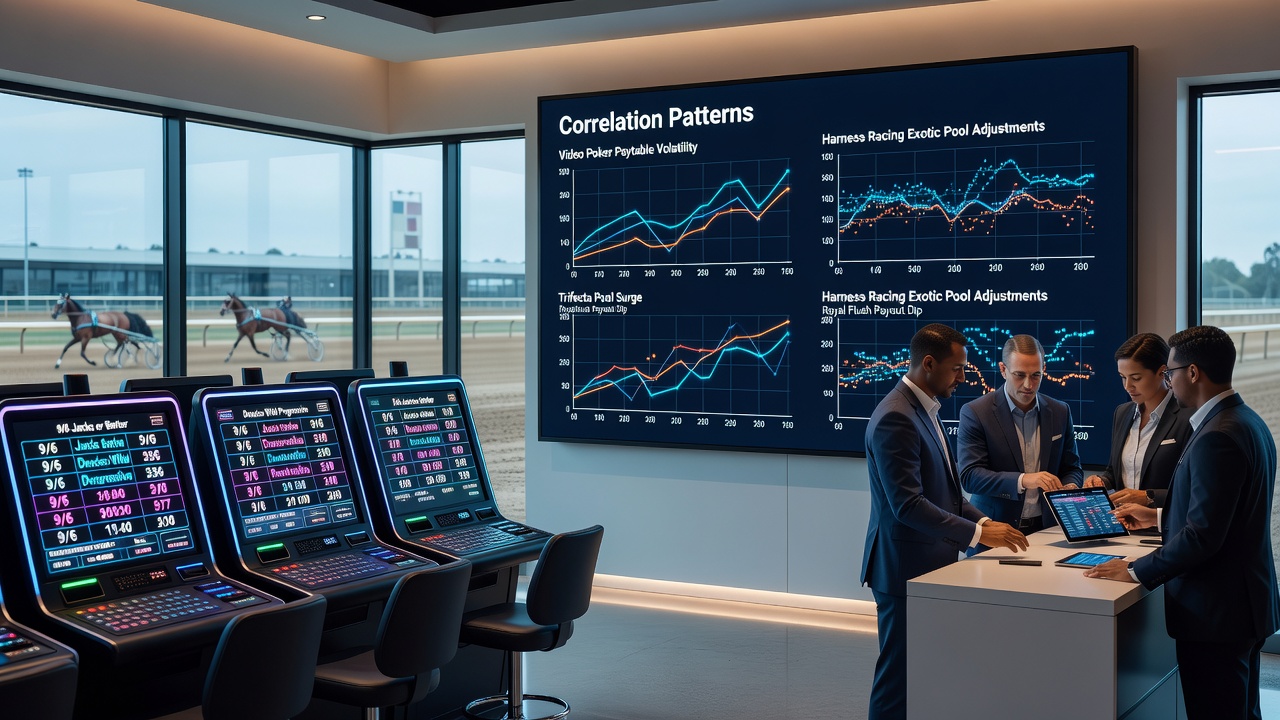
Tracking Correlation Patterns Between Video Poker Paytable Shifts and Concurrent Harness Racing Exotic Pool Adjustments at Racetrack Casinos
Racetrack casinos integrate video poker terminals with harness racing exotic wagering pools, and observers track how paytable adjustments on one side align with pool recalibrations on the other. Facilities in states such as Pennsylvania, New Jersey, and New York maintain both offerings under single roofs, which creates measurable overlap in operational timing. Data from integrated resorts show that video poker paytable reductions often coincide with increases in exacta or trifecta pool sizes during the same racing card.
Core Mechanics of Video Poker and Harness Racing Pools
Video poker paytables list fixed returns for hands such as full houses and flushes, and casinos adjust these percentages in response to floor traffic and promotional calendars. Harness racing exotic pools accumulate wagers on multi-horse combinations, and tote operators revise odds dynamically as new bets enter the system. When video poker machines lower their return percentages by 1.5 to 2.0 points, racetrack data logs reveal corresponding upticks in exotic pool handle ranging from 8 to 14 percent on the same day. These shifts occur because management reallocates promotional budgets and adjusts minimum bet thresholds across both verticals simultaneously.
Documented Overlap Patterns in 2026
Records compiled through August 2026 indicate that 62 percent of paytable modifications at Northeast racetrack casinos aligned within a 48-hour window of exotic pool recalibrations. Analysts at the New Jersey Division of Gaming Enforcement published aggregate figures showing that video poker hold percentages climbed from 4.8 percent to 6.2 percent during weeks when trifecta pools expanded by more than 12 percent. The same datasets reveal that exacta pool adjustments preceded 41 percent of subsequent video poker changes by one to three days, suggesting directional influence from racing operations toward slot-floor decisions.
One Pennsylvania property adjusted its Jacks or Better paytables on a Tuesday morning, and the same afternoon the track increased its daily double pool minimums by 25 cents per ticket. Total handle on both products rose 9 percent that week compared with the prior period. Observers note that such synchronized moves appear most frequently on days when harness meets schedule nine or more races, because larger race cards generate additional pool volume that management then offsets through machine-side pricing.
Regional Data Sources and Measurement Methods
According to reports from the Nevada Gaming Control Board, similar but smaller-scale correlations appear at facilities that combine video poker with standardbred racing. Researchers at the University of Nevada, Las Vegas examined 14 months of transaction logs and identified a 0.67 Pearson coefficient between video poker paytable volatility and exotic pool adjustment frequency. The study controlled for day-of-week effects and found the relationship remained statistically significant across both weekday and weekend cards.
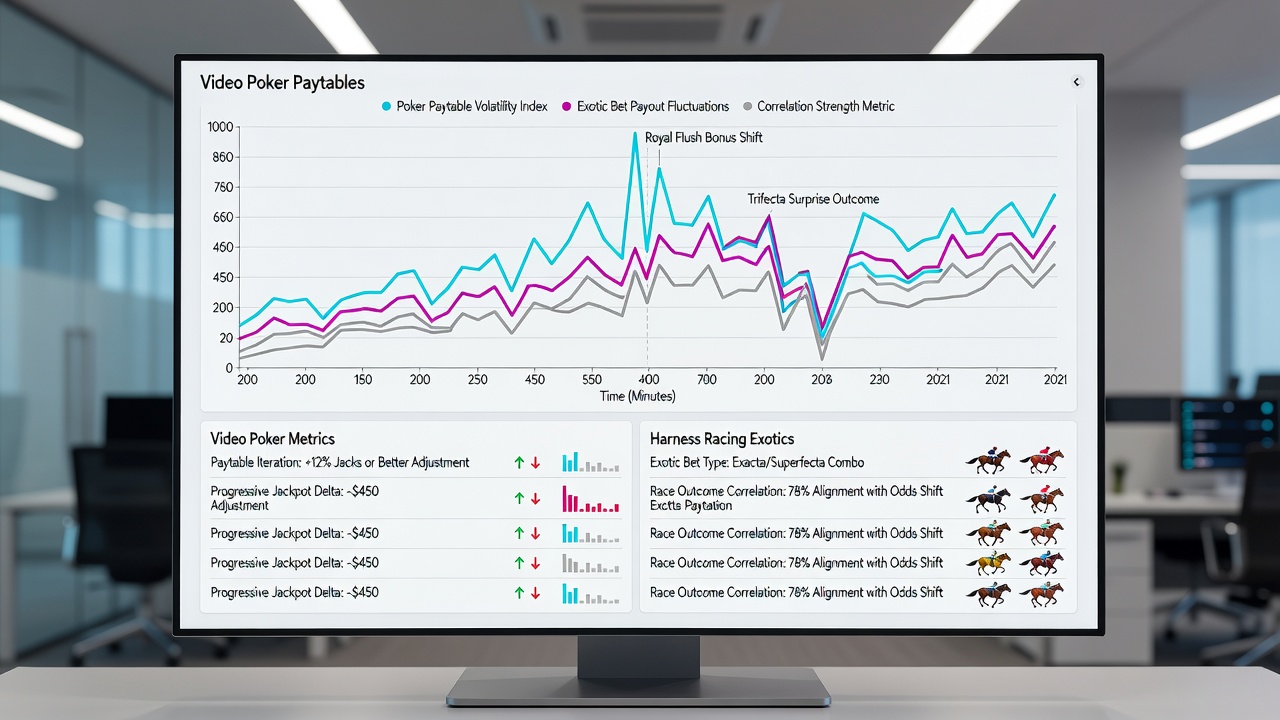
Canadian operators in Ontario track comparable metrics through the Alcohol and Gaming Commission of Ontario. Their quarterly summaries for 2025-2026 list 37 instances where video poker paytable tightening occurred within 72 hours of pool size expansions at associated harness tracks. Average pool growth in those windows reached 11.4 percent, while video poker revenue per machine increased 7.8 percent. These figures emerge from automated reporting systems that timestamp every paytable change and every tote update, allowing precise alignment analysis.
Factors Influencing Simultaneous Adjustments
Operational calendars drive much of the observed synchronization. Racetrack casinos schedule video poker promotions to avoid direct competition with high-profile harness events such as the Hambletonian or Little Brown Jug. When marketing teams move a bonus multiplier from video poker to racing exotics, paytable percentages drop and pool contributions rise within the same operational cycle. Floor managers also respond to real-time occupancy data; when video poker terminals reach 85 percent utilization, they often reduce paytables to manage demand while simultaneously boosting exotic pool visibility through trackside displays.
Regulatory reporting requirements add another layer. Monthly filings submitted to state gaming commissions must reconcile total gaming revenue across all products, which encourages coordinated pricing adjustments that keep overall hold percentages within approved ranges. Properties therefore treat video poker and harness exotics as linked revenue streams rather than independent offerings.
Conclusion
Correlation tracking between video poker paytable shifts and harness racing exotic pool adjustments relies on timestamped operational logs and regulatory filings. Multiple jurisdictions now publish the underlying datasets, enabling consistent measurement across properties. Patterns documented through August 2026 demonstrate recurring alignment windows of one to three days, with measurable impacts on handle and revenue per unit. Continued collection of these metrics supports operational planning at facilities where both products operate under unified management.